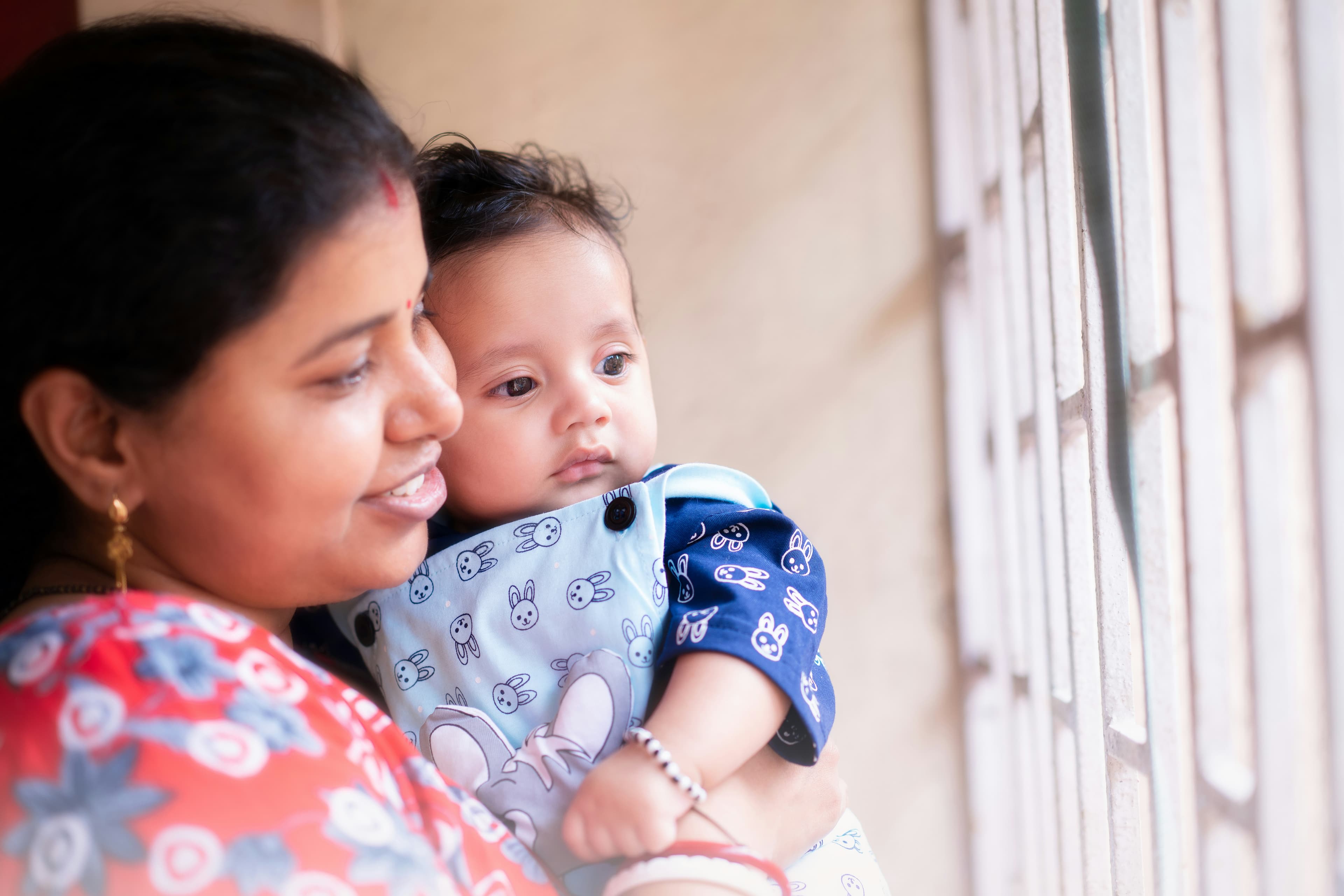
Top 10 Mistakes New Parents Make (And How to Avoid Them)
Discover the top 10 mistakes new parents in India make and learn practical, expert-backed tips to raise a happy, healthy baby with confidence.
Becoming a parent is one of life's most rewarding experiences—but it can also be overwhelming. Between advice from grandparents, opinions from friends, social media parenting hacks, and endless Google searches, new parents in India often find themselves confused about what's best for their baby.
The good news? Every parent makes mistakes. What's important is learning from them and making informed decisions. Here are the top 10 mistakes new parents commonly make—and practical ways to avoid them.
1. Comparing Your Baby to Others
One of the biggest traps new parents fall into is comparing their baby with cousins, neighbours' children, or babies on Instagram.
Questions like:
- "Why isn't my baby crawling yet?"
- "My friend's baby started talking at 10 months!"
- "Is my baby underweight?"
Every baby grows at their own pace. Growth milestones have a wide range of what's considered normal.
What to do instead:
Track your baby's progress using regular paediatric check-ups instead of comparing with others.
2. Listening to Every Piece of Advice
In India, parenting advice comes from everywhere—parents, relatives, neighbours, domestic helpers, and even strangers.
While many traditional practices have value, not all advice is backed by medical evidence.
What to do instead:
Choose one trusted paediatrician and rely on credible health information. It's okay to politely decline advice that doesn't suit your baby's needs.
3. Ignoring Their Own Health
Many new mothers focus entirely on the baby and neglect their own recovery. Fathers, too, often ignore their mental and physical well-being while juggling work and family responsibilities.
A healthy parent is better equipped to care for a healthy baby.
What to do instead:
- Eat nutritious meals.
- Get as much rest as possible.
- Accept help from family members.
- Don't hesitate to discuss emotional challenges with your doctor.
4. Buying Too Many Baby Products
New parents often spend thousands of rupees on expensive gadgets, toys, clothes, and accessories that may barely get used.
Babies outgrow clothes quickly, and many products marketed as "must-haves" are actually optional.
What to do instead:
- Comfortable clothing
- Diapers
- Feeding supplies
- Safe sleeping arrangements
- Basic baby care products
Buy additional items only when you genuinely need them.
5. Not Following a Vaccination Schedule
Vaccinations protect babies from serious illnesses. Missing or delaying vaccines unnecessarily can increase health risks.
India has a well-established immunisation schedule recommended by healthcare professionals.
What to do instead:
Maintain a vaccination record and set reminders for upcoming appointments.
6. Expecting a Perfect Routine Immediately
Many parents worry because their newborn doesn't sleep through the night or follow a predictable schedule.
The truth is that newborns rarely have fixed routines.
What to do instead:
Be patient. Gradually introduce feeding and sleeping routines while staying flexible during the first few months.
7. Overusing the Internet for Medical Advice
A mild cough can quickly become a frightening online search leading to worst-case scenarios.
While the internet provides useful information, it cannot replace professional medical advice.
What to do instead:
Use reliable sources for general education, but contact your paediatrician when your baby is unwell.
8. Forgetting That Babies Need Tummy Time and Play
Many parents keep babies in cribs, swings, or strollers for long periods.
Supervised tummy time is important for developing neck strength, motor skills, and preventing flat spots on the head.
What to do instead:
Include age-appropriate play and supervised tummy time every day once recommended by your doctor.
9. Feeling Guilty About Asking for Help
Some parents believe they should manage everything themselves.
Parenting is demanding, especially during the newborn stage.
What to do instead:
Accept help from grandparents, trusted relatives, or friends. Whether it's cooking a meal or watching the baby while you nap, support can make a significant difference.
10. Trying to Be Perfect Parents
Social media often portrays flawless parenting, spotless homes, and smiling babies.
Real life is different.
There will be sleepless nights, messy homes, missed naps, and unexpected challenges—and that's completely normal.
What to do instead:
Focus on being a loving, responsive parent rather than a perfect one. Your baby doesn't need perfection—they need care, affection, and consistency.
Final Thoughts
Parenthood doesn't come with a manual, and every family has a unique journey. Mistakes are part of learning. Instead of striving for perfection, focus on building a safe, loving, and nurturing environment for your child.
Trust your instincts, stay informed, and don't hesitate to seek professional guidance whenever needed. Remember, confident parenting isn't about knowing everything—it's about being willing to learn every day.
Frequently Asked Questions (FAQs)
-
Is it okay to follow traditional parenting advice?
Many traditional practices are helpful, but always consult your doctor before trying anything that could affect your baby's health.
-
How often should a newborn visit the paediatrician?
Your doctor will recommend a schedule based on your baby's age, vaccinations, and overall health.
-
Should both parents be involved in baby care?
Absolutely. Shared parenting reduces stress and helps build a stronger bond between both parents and the baby.
-
When should parents worry about developmental milestones?
If you have concerns about your baby's development, discuss them with your paediatrician rather than relying on comparisons with other children.
-
What's the most important thing new parents should remember?
Every baby is unique. Love, patience, consistency, and regular medical care matter far more than trying to do everything perfectly.
Written by
Tiny Roots
Parenting expert at Tiny Roots